
Robert Capa. War photographer
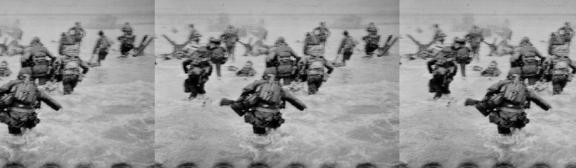
Robert Capa was the inventor of a whole new style: the war photographer, eye glued to the lens, and always on the lookout for a scoop. A witness to major historical events, and with strong convictions of his own, Capa’s gaze left a lasting mark on the history of photojournalism and forged the trope of the quintessential war photographer.
The Musée de la Libération de Paris - Musée du général Leclerc - Musée Jean Moulin, in collaboration with Magnum Photos, is proud to present a fresh look at Robert Capa’s work. Over sixty vintage press prints are displayed alongside magazines, books, documents, and personal items. Together, these one hundred and sixty pieces retrace the life and career of a young Hungarian immigrant who became a modern photography icon.
From Tuesday to Sunday
From 10 to 18
From wednesday 18 february 2026
to sunday 20 december 2026
Full rate : 11
Reduced rate : 9
Online booking recommended.
The “Capa style”—his direct and immersive method of photographing war scenes—profoundly influenced the profession, with today’s photographers still exposed to the dangers of the field. In 2024, according to Reporters Without Borders, fifty-four journalists lost their lives in the line of duty, most of them in conflict zones.
By presenting the work of Robert Capa, this exhibition affords a historical perspective on a reality that remains relevant today: the risks involved in documenting war.
The exhibition opens with a look at the young photographer’s early years and exile, from Budapest to Berlin, and then Berlin to Paris. In 1932, he had a first photograph published in the German press. He then moved to France, where he and his companion forged new identities and more “American” personas for themselves, becoming Robert Capa and Gerda Taro. This clever change allowed them to sell their work more easily to magazines. “Bob’s” Leica camera accompanied this transformation.
The next section of the exhibition looks at the Spanish Civil War, covered by the young couple from 1936 onwards. The legendary image of the Spanish Republican shot down by gunfire became the emblem of that conflict. Around this time, Robert Capa opened a studio on the rue Froidevaux in the 14th arrondissement of the French capital, of which a typewriter, boxes of negatives, and notebooks of photographs still exist. However, Gerda Taro’s death in Spain marked the end of this carefree period. Tributes were paid to her in the press, and her story became known in the United States.
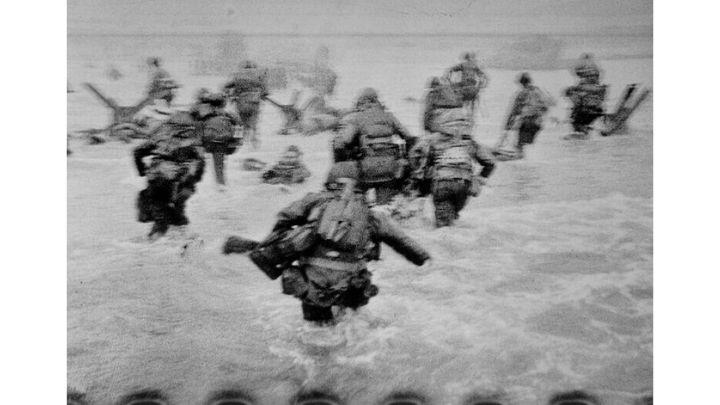
The Second World War would play a tremendous role in Robert Capa’s career with his iconic photographs of the D-Day landings on 6 June 1944, and the Liberation of Paris. The exhibition follows the photographer’s movements throughout the capital on 25 August 1944, capturing the entry of the 2nd Armoured Division into the city and fighting near the National Assembly. The next day, Capa photographed the joy and celebration of Parisians at the end of the war and the last rounds of gunfire in the city streets.
After the war, Robert Capa founded the Magnum photography agency, reporting from various locations around the globe, with peace in some places and war raging in others. Until his death in the field in 1954, his photographs continued to highlight the consequences of conflict on civilian populations.
The exhibition bears the Bicentenaire de la Photographie Label from the French Ministry of Culture.
Head curator
Sylvie Zaidman, historian, heritage curator, and director of the Musée de la Libération de Paris – Musée du général Leclerc – Musée Jean Moulin
Co-curator
Michel Lefebvre, journalist and photography collector
In collaboration with Magnum Photos
In collaboration with Magnum Photos

This project has received support from La Fondation France Mutualiste.
